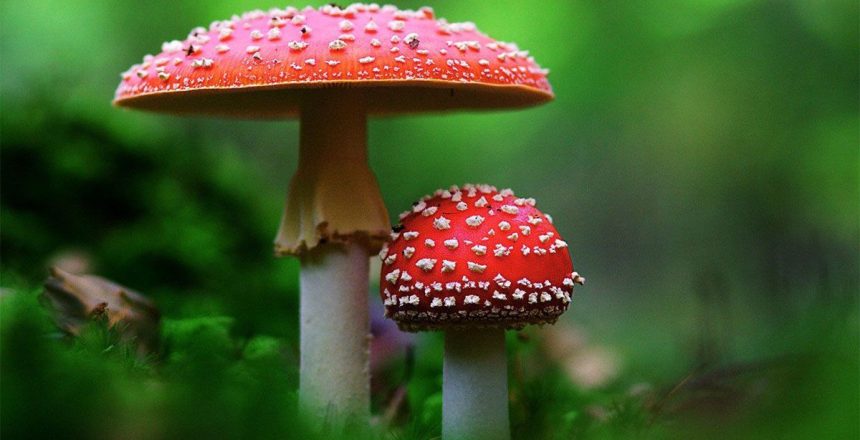
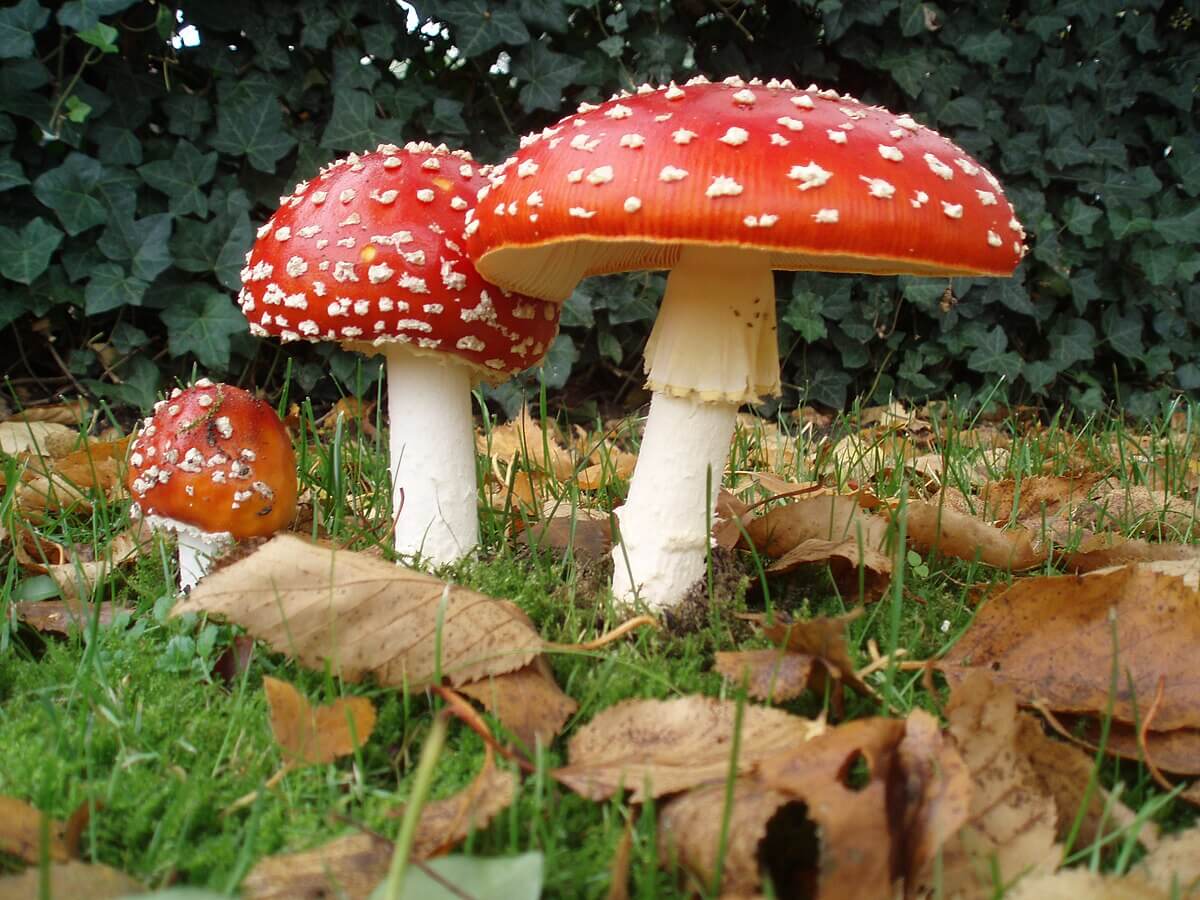
If you’ve been scouring the web asking, “Is Amanita legal,” you’re stepping into the most explosive sector of the alternative wellness market. The iconic red-and-white Amanita muscaria has sat in a quiet legal gray area for decades, but as of March 2026, the regulatory landscape is sharpening with a vengeance. While it doesn’t carry the “Schedule I” baggage of psilocybin, the authorities are finally looking at the “legal high” industry through a magnifying glass.
The short answer is a bit of a moving target. Federally, Amanita muscaria is not a controlled substance because the DEA hasn’t added it to the Controlled Substances Act (CSA). However, the path to your doorstep is a minefield of state-level bans and a new, aggressive stance from the FDA regarding how these mushrooms are packaged and sold.
Key Takeaways
- Federal Green Light: Unlike psilocybin, Amanita and its active compounds (muscimol and ibotenic acid) are not scheduled drugs.
- The Louisiana Exception: Louisiana is still the outlier, maintaining a strict statutory ban on possession for anything other than “aesthetic” use.
- FDA “GRAS” Hammer: The FDA officially ruled that Amanita is not “Generally Recognized as Safe” for food, which is why you’re seeing more seizures of gummies and chocolates.
- Lab-Verified Purity: In an unregulated market, the only thing between you and a bad night is a Certificate of Analysis (COA) proving the ibotenic acid was actually decarboxylated.
Is Amanita Legal at the Federal Level Right Now?
In the eyes of the DEA, Amanita muscaria remains a non-controlled substance. Since the mushroom contains zero psilocybin or psilocin, it bypasses the federal drug trafficking charges that would land you in a cell for holding traditional “magic mushrooms.” You can harvest it, hold it, and ship it across most state lines without a federal agent knocking on your door.
But “not illegal” doesn’t mean “FDA-approved for your morning routine.” The government is pivoting away from “drug” enforcement and moving toward “food safety” as a way to bottleneck the industry.
The Strategic Compliance Framework
- Specimen Labeling: To dodge the FDA’s crosshairs, reputable vendors market Amanita as a “botanical specimen.” It’s a legal shield.
- The Enforcement Pivot: Since late 2024, the FDA has focused on the “edible” loophole, seizing candy-style products that use Amanita as an unapproved additive.
- The Marketing Trap: Under the Dietary Supplement Health and Education Act (DSHEA), you cannot claim these mushrooms treat anxiety or sleep disorders. Do that, and the feds will shut you down.
At-a-Glance: Amanita Muscaria vs. Psilocybin
Feature | Amanita Muscaria (Fly Agaric) | Psilocybin Mushrooms |
Federal Status | Legal / Unregulated | Illegal (Schedule I) |
Active Compound | Muscimol / Ibotenic Acid | Psilocybin / Psilocin |
Primary Effect | GABAergic (Sedative/Dreamy) | Serotonergic (Visual/Psychedelic) |
FDA Status | Unapproved Food Additive | Research Only / Breakthrough |
Drug Test Risk | Extremely Rare | Rare / Standard in some labs |
Final Thoughts
Legality in the fungi world moves at breakneck speed. While “is Amanita legal” is a “yes” for most of the U.S. today, the shift toward stricter FDA oversight means quality is your only real legal shield. You cannot rely on a wild-west market to keep you out of trouble; you have to do the technical due diligence.
At Utoya Organics, we’ve prioritized lab-verified purity and regulatory grit since 2018. We don’t just follow the laws; we help set the standard for what a safe, legal alternative wellness product should be. If you’re ready to navigate the GABAergic landscape with a team that actually knows the science, Call (844) 655-4447 and let’s talk shop.
Frequently Asked Questions
Is it legal to buy Amanita online?
Yes, in 49 states, it’s perfectly legal. The only place you’ll run into trouble is Louisiana, where State Act 159 keeps it strictly for “aesthetic” use.
Will Amanita show up on my workplace drug test?
No. Standard 5-panel or 10-panel screens look for THC and amphetamines. Muscimol isn’t even on the radar for standard forensic labs.
Why is the FDA seizing Amanita products?
They aren’t seizing the mushroom itself; they are seizing the delivery method. If it’s sold as a food (gummy/chocolate), the FDA considers it an unapproved additive.
Is Amanita just another name for a “magic mushroom”?
Not even close. “Magic mushrooms” usually mean psilocybin. Amanita is a completely different animal that hits your GABA receptors, leading to a sedative effect rather than a visual trip.
What happens if I eat a poorly prepared Amanita?
If the ibotenic acid wasn’t decarboxylated, expect extreme nausea, “looping” thoughts, and heavy sweating. It’s why lab-verified extracts are the only way to go.