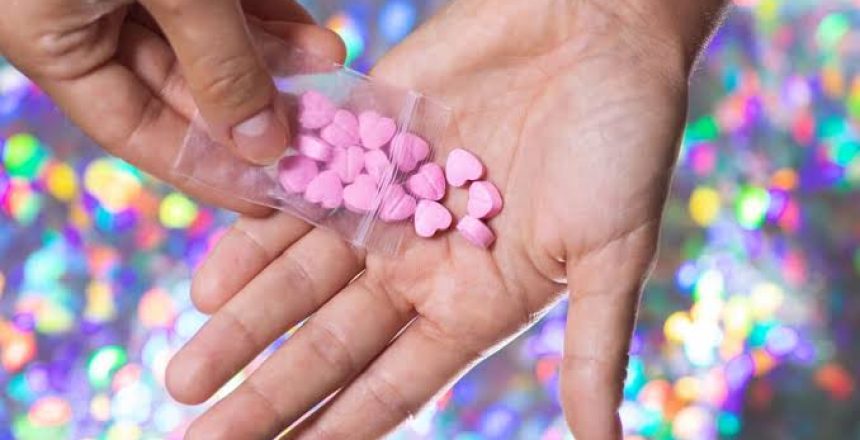
When looking at Molly vs. Ecstasy, the defining distinction boils down to physical presentation, marketing tactics, and real-world street distribution rather than a fundamental difference in the target active chemical. Both terms trace back to MDMA (3,4-methylenedioxymethamphetamine), a synthetic compound that drastically alters neurochemistry, energy output, and emotional perception.
The reality on the ground is that street branding rarely matches chemical reality. While Ecstasy typically refers to compressed oral tablets and Molly refers to loose crystals or powder, non-regulated production means neither form offers guaranteed purity or predictable dosage.
Key Takeaways
- Identical Target Chemical: Both names originate from MDMA, though street samples frequently contain unexpected synthetic adulterants.
- Distinct Formats: Ecstasy comes pressed into colorful tablets, whereas Molly circulates as crystalline powder, raw chunks, or clear capsules.
- Misleading Purity Claims: Marketing Molly as pure MDMA is an industry illusion; unverified powder often carries synthetic bath salts or methamphetamines.
- Shared Health Risks: Taking either form risks severe hyperthermia, rapid heart rates, dangerous dehydration, and post-use mood crashes.
Shop Now
What is Ecstasy and How is it Distributed?
Ecstasy refers to street MDMA that manufacturers compress into solid, branded tablets meant for oral consumption. Underground producers mix raw active powder with binders, dyes, and various fillers to form solid pills that hold shape during transport.
Street chemists stamp these tablets with popular logos or distinctive colors to create brand recognition across nightlife venues. Here is the part most street buyers will not realize: identical visual stamps often come from entirely different underground labs with completely different chemical recipes. One tablet might contain actual MDMA, while the next matching pill carries heavy doses of caffeine, synthetic cathinones, or methamphetamine.
What is Molly and Why is it Marketed Differently?
Molly represents MDMA sold in loose powder, crystalline chunk, or gel-capsule form, originally named as shorthand for molecular structure. Sellers market this format as a cleaner, untainted alternative to standard compressed tablets because it lacks traditional pill binding agents.
That reputation for high purity is largely an industry myth. Laboratory testing on seized street samples consistently demonstrates that raw powders sold under this name contain zero actual MDMA or mix it heavily with cheaper synthetic stimulants. When comparing Molly vs. Ecstasy, assuming loose crystals are inherently safer than pressed tablets creates a dangerous and false sense of security.
How Do the Effects of Molly and Ecstasy Compare on the Body?
If both street products actually contain pure MDMA, their physical and psychological effects on human neurochemistry are identical. MDMA triggers a massive release of primary neurotransmitters—serotonin, dopamine, and norepinephrine—which rapidly elevates mood, physical energy, and emotional empathy.
- Nervous System Stimulation: Drives up blood pressure, spikes body temperature, accelerates heart rates, and triggers involuntary jaw clenching or teeth grinding.
- Sensory Amplification: Heightens tactile sensitivity, amplifies visual stimulation, and induces feelings of deep emotional closeness toward surrounding individuals.
- Physical Exhaustion: Depletes baseline brain serotonin levels, leading to severe physical fatigue, confusion, and anxiety once the compound metabolizes out.
Actual field experiences depend heavily on body weight, fluid intake, external temperatures, and hidden adulterants. Consuming an unverified tablet or powder leaves the user completely unable to calculate precise dosing or predict physiological reactions.
Practical Breakdown: Tracing the History and Evolution of MDMA
Understanding how these substances spread through popular culture helps clarify why street terminology remains so confusing today.
- Early Clinical and Therapeutic Exploration
- Synthesized initially in the early 20th century, therapists experimented with MDMA during the late 1970s to encourage open communication during counseling sessions.
- Psychiatric usage remained experimental and limited before non-medical recreational use expanded into urban nightlife environments.
- The Rise of Nightlife and Ecstasy Culture
- During the 1980s and 1990s, pressed tablets gained widespread popularity across dance clubs, music festivals, and electronic music raves.
- Underground producers began diluting pills with cheap fillers and synthetic stimulants to stretch profit margins, diminishing overall market quality.
- Rebranding to Molly for Modern Consumers
- To counter buyer skepticism over poor-quality tablets, distributors popularized raw crystalline powder under a fresh, friendly name.
- Despite the updated marketing, illicit supply chains quickly introduced the exact same adulteration practices into raw powders and capsules.
Comparing MDMA Formats and Street Realities
Understanding the differences between Molly vs. Ecstasy formats requires looking at physical characteristics alongside distribution practices.
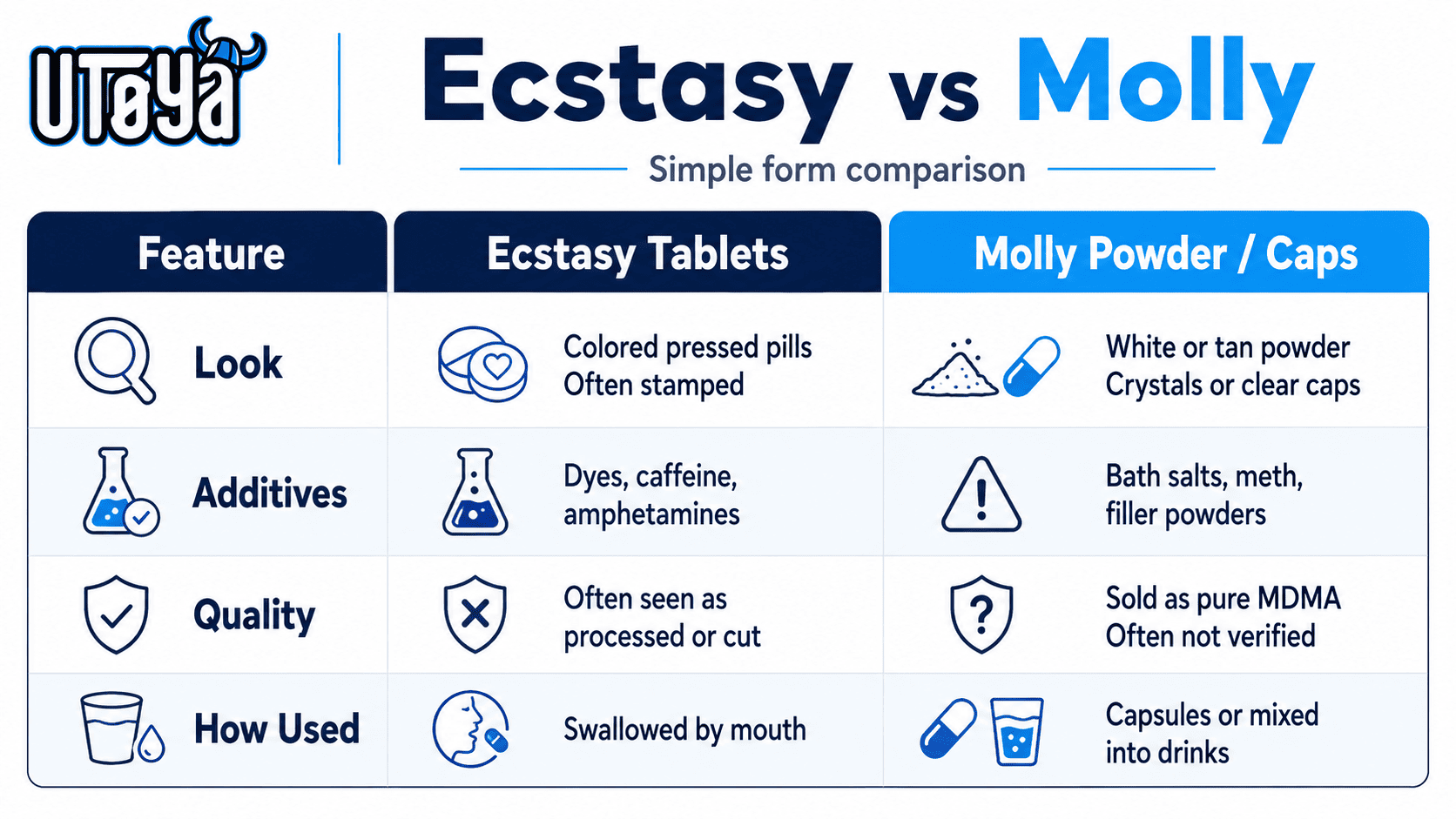
| Characteristic | Compressed Street Tablets (Ecstasy) | Crystalline Powder / Capsules (Molly) |
| Physical Appearance | Dyed, pressed pills stamped with visual logos. | Loose white/tan powder, jagged crystals, or clear caps. |
| Common Adulterants | Binders, dyes, caffeine, amphetamines, dextromethorphan. | Synthetic cathinones (bath salts), methamphetamine, filler powders. |
| Perceived Quality | Often viewed as heavily processed or diluted. | Marketed as pure MDMA, though rarely verified. |
| Primary Ingestion Method | Direct oral swallowing. | Oral capsule consumption or mixing into liquids. |
Key Health and Neurochemical Risk Profiles
Understanding how MDMA interacts with human physiology requires looking at immediate hazards alongside prolonged health impacts.
Neurochemical Exhaustion
- Depletes natural brain serotonin reserves rapidly, triggering severe emotional dips and depression during the days following use.
- Impairs cognitive focus, disrupts baseline appetite, and alters normal sleep cycles while the brain attempts to restore baseline neurochemistry.
Severe Acute Hazards
- Triggers hyperthermia—dangerously elevated body temperature—which escalates quickly during heavy physical activity in hot event venues.
- Causes severe fluid imbalances, where either acute dehydration or excessive fluid consumption leads to life-threatening medical emergencies.
Long-Term Health Impacts
- Chronic use correlates with persistent memory impairments, chronic sleep disorders, heightened anxiety, and emotional dysregulation.
- Exposure to unknown adulterants increases long-term risks of cardiovascular damage, kidney stress, and potential neurological complications.
Essential Terms for Understanding Synthetic Substances
- MDMA (3,4-methylenedioxymethamphetamine): The core synthetic psychoactive compound responsible for altered perception, energy spikes, and heightened emotional empathy.
- Synthetic Cathinones: A broad class of potent lab-made stimulants, often called “bath salts,” frequently found substituting for MDMA in raw powders.
- Hyperthermia: A critical physiological condition where the body absorbs or produces more heat than it can dissipate, causing internal organ stress.
- Adulterant: Unannounced chemical compounds, stimulants, or inactive fillers added to illicit substances to increase weight and dealer profit margins.
- Neurotransmitter: Chemical messengers like serotonin and dopamine that transmit signal impulses across brain cells to regulate mood and body functions.
Practical Action Steps for Health and Safety Awareness
- Recognize Street Naming Distinctions
- Understand that terms like Molly and Ecstasy are commercial marketing labels rather than precise medical or chemical definitions.
- Treat any unverified crystalline powder or pressed pill with extreme caution regarding its actual chemical contents and purity.
- Identify Critical Overdose Warning Signs
- Watch for extreme body temperatures, heavy sweating, severe confusion, sudden seizures, loss of consciousness, or uncontrollable rapid heartbeats.
- Seek immediate emergency medical care if anyone exhibits severe distress after consuming unknown street substances.
- Distinguish Between Synthetic Drugs and Legal Alternatives
- Separate illicit, unregulated synthetic compounds from fully legal, lab-tested plant and mushroom products.
- Look for verified certificates of analysis (COAs) and transparent ingredient lists whenever purchasing regulated wellness options.
Shop Now
Understanding Real-World Substance Differences
Navigating substance education requires separating street marketing from scientific reality. The core takeaway when evaluating Molly vs. Ecstasy is that physical presentation—whether a pressed tablet or a raw powder—never guarantees chemical purity, predictable dosing, or safety.
Education and transparent sourcing matter. While synthetic street compounds carry unpredictable dangers, Utoya Organics focuses strictly on clear, lab-tested hemp and mushroom offerings. Explore our deep-dive educational guides on hemp compounds and natural botanical options to learn more about transparent product standards. Call Utoya Organics today at 813-697-4747.
Frequently Asked Questions
Q: Is Molly safer to take than Ecstasy?
A: No, Molly vs. Ecstasy is marketed as pure crystalline MDMA; laboratory tests confirm that street powders regularly contain synthetic cathinones, methamphetamine, and other harmful adulterants.
Q: What causes hyperthermia during MDMA use?
A: MDMA disrupts the brain’s internal temperature regulation mechanisms. Combined with physical exertion, high environmental temperatures, and inadequate fluid balance, body temperatures can spike to life-threatening levels.
Q: Can taking a single tablet or powder lead to an overdose?
A: Yes, taking a single street product can cause a severe reaction or overdose. Because illicit pills and powders lack dosage standards and often contain unexpected toxic chemicals, individual tolerance and chemical strength vary wildly.
Q: What are the main signs of an MDMA crash?
A: The post-use crash involves severe physical exhaustion, low mood, irritability, anxiety, memory fog, and sleep disruptions. These symptoms stem from sudden serotonin depletion following heavy neurochemical release.
Q: Are these synthetic substances related to legal hemp or mushroom products?
A: No, illicit MDMA products share no connection with legal hemp or functional mushroom items. Regulated collections featuring CBD, Delta 8, Delta 9, THCA, THCP, or Amanita from brands like Utoya Organics are entirely distinct, transparently manufactured product lines.