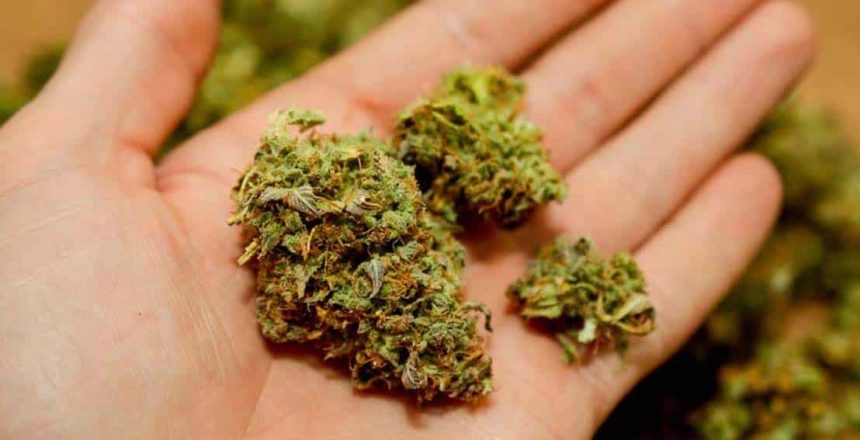
The hemp market is currently a wild frontier, flooded with flashy banners and “too good to be true” Delta 8 deals that promise a premium high for basement prices. But as anyone who’s spent time in a lab or a grow room will tell you, a discount shouldn’t come at the cost of your lungs. While some Delta 8 products are forged with integrity, the lack of oversight means you’re often one bad batch away from a chemical soup.
At Utoya, we’ve been grinding in the alternative wellness space since 2018. We’ve watched “basement chemists” come and go while we stayed focused on the science. Delta 8 THC isn’t just a trend to us; it’s a complex cannabinoid that requires respect and precision. If you’re hunting for a bargain, you need to know what’s happening behind the curtain before you drop your hard-earned cash.
Key Takeaways
- Semi-Synthetic Reality: Most Delta 8 is converted from CBD using specialized acids; it’s rarely “straight from the plant.”
- Regulation Gaps: The market is loosely policed, meaning many “deals” skip expensive safety audits.
- Psychoactive Profile: It delivers a manageable, clear-headed high, but it’s still 100% THC.
- Lab Importance: Residual solvents and heavy metals are real risks in unverified products.
- Brand Authority: Stick with veterans like Utoya who prioritize COAs (Certificates of Analysis) over flashy stickers.
What Is the Reality Behind Delta-8 THC?
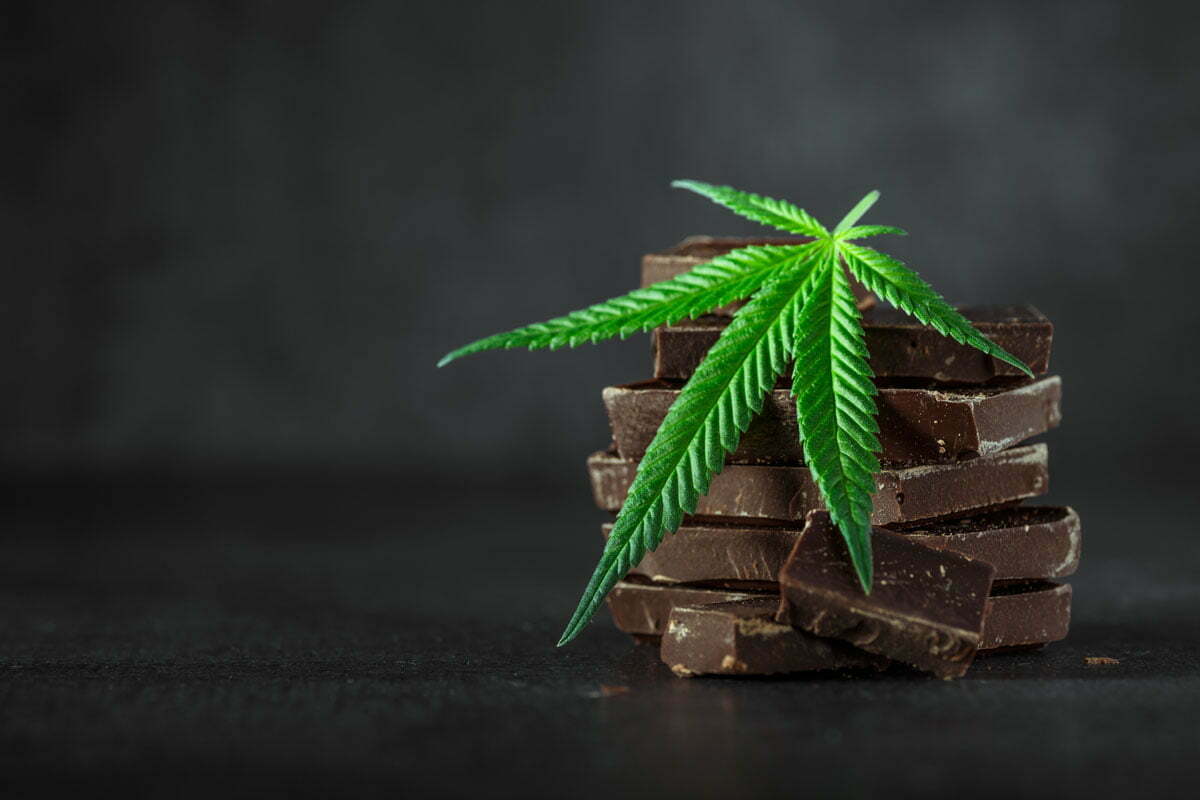
Delta-8 tetrahydrocannabinol is a potent cannabinoid found naturally in hemp, but only in trace amounts that wouldn’t fill a thimble. To make enough for the masses, technicians take hemp-derived CBD and put it through a chemical conversion process. It’s a specialized isomer that interacts with your endocannabinoid system, offering a middle ground between CBD and traditional “marijuana” THC.
The cannabis plant is a chemical factory, producing over a hundred different compounds. While Delta-9 THC is the heavy hitter everyone knows, and CBD is the non-intoxicating workhorse, Delta-8 sits in the “minor cannabinoid” category. Because it’s so rare in the wild, almost every gummy or vape you see in a shop is a product of lab-scale molecular restructuring.
Is the Delta-8 Chemical Formula Synthetic or Natural?
Technically, Delta-8 is “semi-synthetic” because while the molecule exists in nature, the concentrated version you buy is manufactured in a lab via isomerization. We start with CBD isolate and use catalysts like p-toluenesulfonic acid or hydrochloric acid to “flip” the molecular bond. It’s a delicate dance: if the chemist doesn’t neutralize those acids perfectly, you’re left with a tainted product.
If that conversion isn’t handled by a master extractor, the “trash” left over—residual solvents and unknown isomers—ends up in your cart. Without a rigorous, multi-stage purification process, those Delta 8 deals turn into a health liability. We’ve seen enough “gas station specials” to know that if there isn’t a lab report attached, you’re the test subject.
TRY OUR THCA CARTS
Strategic Framework: The 4 Phases of a Clean Conversion
- Extraction: Pulling CBD from raw hemp biomass using CO2 or ethanol.
- Isomerization: Applying heat and acids to rearrange the CBD molecules into Delta-8.
- Neutralization & Wash: Using “scrubbing” techniques to remove every trace of the chemical catalysts.
- Full-Panel Testing: Sending the final distillate to a third-party lab to prove it’s free of heavy metals and bleach.
How Does Delta-8 Compare to CBD at a Glance?
While both originate from the same plant, CBD is strictly non-intoxicating, whereas Delta-8 is a psychoactive compound that will get you high. CBD is for the person who wants the internal balance without the head change. Delta-8 is for the person looking for a sensory experience and a mood lift.
Feature | CBD (Cannabidiol) | Delta-8 THC |
Psychoactive? | No | Yes |
Primary Use | Daily Wellness / Recovery | Relaxation / Mild High |
Receptor Binding | Indirectly affects ECS | Binds directly to CB1 |
Legality | Federally Legal | State-Dependent |
Conversion | Natural Extraction | Semi-Synthetic Process |
Mastering the Future of Hemp Wellness
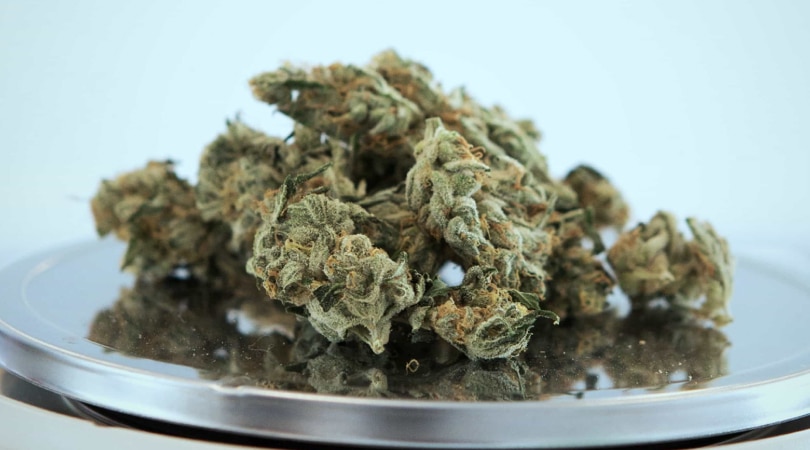
Navigating the sea of Delta 8 deals requires a sharp eye and a commitment to quality over cost. While the “diet weed” experience offers a fantastic middle ground for those seeking relaxation without the intensity of traditional cannabis, the burden of safety lies with the consumer. By prioritizing lab-verified products and transparent brands, you ensure that your wellness journey remains a positive one.
Ready to see what professional-grade hemp looks like? Explore Utoya Organics lab-tested selection and find out why Utoya is a trusted name in purity. Have questions or want help choosing the right product? Give us a call at 813-697-4747—we’re here to help.
Frequently Asked Questions
Is Delta-8 THC legal in my state?
It varies wildly. While the 2018 Farm Bill made hemp-derived cannabinoids legal federally, many states like New York or Colorado have specific bans. Always check your local statutes before ordering.
Will Delta-8 show up on a drug test?
Yes, Delta-8 will absolutely trigger a positive result for THC on a standard drug screen. The tests look for THC metabolites, and they cannot distinguish between Delta-8 and Delta-9.
Is Delta-8 safer than “real” marijuana?
The compound itself is generally considered to have a similar safety profile, but the “safety” of the product depends entirely on the lab’s ability to purge the chemical solvents used during manufacturing.
Why are some Delta 8 deals so incredibly cheap?
Massive overproduction of CBD isolate has crashed the raw material price, but “dirt cheap” prices often mean the manufacturer skipped the expensive $500-per-batch full-panel lab tests.
How do I know if a Delta-8 brand is trustworthy?
Look for a physical address, a working customer service line, and a QR code on every package that links directly to a third-party lab result for that specific batch.