
At Utoya, we think the first question about legal ecstasy for festivals should be what “legal ecstasy” actually means. Ecstasy usually refers to MDMA, and MDMA remains a Schedule I controlled substance under federal law. Products marketed as “legal ecstasy,” “legal Molly,” or similar alternatives are different substances or formulations. The word legal does not mean they are MDMA, FDA-approved, legal in every state, or free of health risks.
That distinction matters even more before traveling to a festival.
Key Takeaways
- Actual ecstasy, or MDMA, remains a Schedule I controlled substance under U.S. federal law.
- Legal ecstasy for festivals is a marketing term for alternatives to MDMA, not a guarantee that a product is lawful everywhere.
- Some current products in this category contain 5-MAPB, which is expressly controlled under current Florida and Texas law.
- Festival conditions such as heat, prolonged dancing, crowds, alcohol, and other substances can increase physical risk.
- Drug-checking tools have limits. They can sometimes identify warning signs but cannot guarantee purity, potency, or safety.
- Severe overheating, confusion, seizures, chest symptoms, breathing trouble, or unresponsiveness require immediate medical attention.

What Does “Legal Ecstasy” Mean?
“Legal ecstasy” generally describes a product marketed as an alternative to MDMA. It does not mean the product is actual ecstasy, nor does the name establish that every ingredient is legal in every jurisdiction.
The distinction starts with MDMA itself. The U.S. Drug Enforcement Administration lists 3,4-methylenedioxymethamphetamine, commonly called MDMA or ecstasy, as a Schedule I controlled substance.
Products sold under terms such as “legal ecstasy” may contain completely different ingredients. Our current legal ecstasy for festivals category, for example, includes listings that identify compounds such as 5-MAPB.
That difference is important because the legal status of the substitute compound has to be evaluated separately.
A package name cannot settle that question for you.
Is Legal Ecstasy Actually Legal at a Festival?
Not necessarily. Legality depends on the specific ingredient, the state or locality, federal analogue rules, and sometimes the festival’s own prohibited-items policy.
One of the biggest mistakes a consumer can make is assuming that “not MDMA” automatically means “legal.”
Federal law includes provisions for controlled-substance analogues. DEA guidance explains that a substance intended for human consumption may, under certain circumstances, be treated as Schedule I when it is substantially similar chemically or pharmacologically to a Schedule I or II controlled substance.
State law can be even more direct.
For example, current Texas law expressly lists 5-MAPB in Penalty Group 2. Florida’s 2026 controlled-substance statute also expressly identifies 5-MAPB among listed compounds.
That creates an important practical rule:
Do not rely on a blanket “legal in all 50 states” claim when deciding whether you can possess or travel with a psychoactive product. Check the actual active ingredient against current laws where you live, where you are traveling, and where the festival is held.
Laws can change, and festival admission policies may be stricter than state law.
Is “Legal Ecstasy” the Same as MDMA?
No. A product marketed as legal ecstasy for festivals should not be assumed to contain MDMA or produce the same effects as MDMA.
MDMA is a specific chemical substance. “Legal ecstasy” is a broader commercial phrase.
That difference also means safety information about MDMA cannot automatically be applied to another compound. A substance may have a different duration, potency, interaction profile, or risk pattern.
For example, the World Health Organization has kept 5-MAPB under surveillance and reports that it has been associated with stimulant-like effects including increases in blood pressure and body temperature as well as rapid or irregular heartbeat.
We therefore do not recommend treating an alternative product as interchangeable with MDMA simply because its branding uses words such as “ecstasy,” “Molly,” or “roll.”
Why Do Festivals Add More Risk?
Festivals combine several conditions that can increase physical stress: heat, strenuous movement, crowded spaces, long periods on your feet, limited rest, and sometimes alcohol or multiple psychoactive substances.
MDMA provides a well-documented example of why those conditions matter. The National Institute on Drug Abuse warns that vigorous physical activity in warm environments can contribute to dangerous increases in body temperature. It also notes that excessive fluid consumption can create a separate electrolyte problem because MDMA can affect water retention.
FDA materials likewise identify serious adverse events associated with MDMA, including hyperthermia, cardiovascular problems, seizures, hyponatremia, and other potentially life-threatening complications.
Those findings do not prove that every substance marketed as legal ecstasy for festivals behaves exactly like MDMA. They do show why festival conditions deserve extra caution whenever a substance can affect heart rate, temperature regulation, alertness, or perception.
What Should You Check Before Bringing a Product to a Festival?
Before traveling with any psychoactive product, check the ingredient list, current law, festival rules, product documentation, your medications, and your transportation plan.
A few questions matter more than the branding:
- What is the actual active compound?
- Is that compound controlled where the festival takes place?
- Does the venue prohibit it even if state law does not?
- Is there a current certificate of analysis or other credible product documentation?
- Are you taking medications or managing a health condition that could create additional risk?
- Who will you contact if you feel unwell?
- Where is the festival medical station?
- How are you getting home without driving impaired?
If the ingredient is unclear, the legal status cannot be verified, or you do not know what a product contains, the safest decision is not to use or travel with it.
Does a COA Prove a Product Is Safe?
No. A certificate of analysis can provide useful testing information, but it does not prove that a psychoactive product is safe for a particular person or situation.
A COA may help you confirm whether a laboratory reported certain ingredients or contaminants in a tested sample. Its value depends on factors such as what the laboratory tested for, whether the report matches the product and batch, and whether the laboratory methods are appropriate.
It cannot account for your medications, medical history, alcohol use, environmental heat, other substances, or individual sensitivity.
The same principle applies to consumer drug-checking tools. DanceSafe explains that reagent and strip testing have important limits: they cannot establish purity, reliably determine potency, or provide complete identification of everything present in a sample.
Think of testing as information—not a safety guarantee.
Is Mixing Substances at a Festival Riskier?
Yes. Combining psychoactive substances, alcohol, medications, or stimulants can make effects less predictable and may increase medical risk.
The exact risk depends on what is combined, which is why generic advice such as “it should be fine together” is unreliable.
Someone taking prescription medication should be especially cautious about adding an unfamiliar psychoactive compound. A pharmacist or medical professional can assess medication interactions more reliably than a product review, social-media comment, or festival forum.
There is another practical issue: if something goes wrong, medical staff need accurate information. Tell them what was taken, including alcohol, medications, supplements, and any psychoactive products. That information can affect treatment.
How Can Festivalgoers Reduce Heat-Related Risk?
The safest approach is to avoid psychoactive substances that impair temperature regulation, but everyone at a hot festival should still plan for cooling, reasonable fluid intake, and breaks from strenuous activity.
Avoid treating hydration as a contest. Both too little fluid and excessive fluid intake can create problems under certain drug-related conditions. NIDA specifically describes risks from both dehydration and electrolyte imbalance in connection with MDMA.
Basic festival planning still matters:
- Know where shaded or air-conditioned rest areas are located.
- Take breaks from prolonged dancing or strenuous activity.
- Pay attention to how you actually feel instead of pushing through worsening symptoms.
- Know where the medical tent is before you need it.
- Stay with people you trust.
Heat illness can worsen quickly. Getting help early is safer than trying to wait out serious symptoms.
What Are the Warning Signs of a Medical Emergency?
Get medical help immediately for severe overheating, major confusion, seizures, chest symptoms, breathing problems, collapse, or inability to wake someone.
Warning signs that should not be ignored include:
- Extreme heat or inability to cool down
- Severe agitation, confusion, or disorientation
- Muscle rigidity or uncontrolled shaking
- Seizure activity
- Chest pain or a markedly irregular heartbeat
- Difficulty breathing
- Repeated vomiting with worsening mental status
- Fainting or collapse
- Unresponsiveness or inability to stay awake
FDA and NIDA sources document serious MDMA-related complications involving temperature regulation, the cardiovascular system, neurological symptoms, and electrolyte imbalance.
Do not leave someone alone because you assume they simply need to “sleep it off.”
If festival medical staff are available, use them. If the situation appears life-threatening, call emergency services.
Can Drug Checking Make an Unknown Festival Pill Safe?
No. Drug checking may reveal certain warning signs, but it cannot transform an unknown substance into a proven-safe product.
This is a useful distinction because people sometimes interpret a favorable test result as permission to stop worrying.
DanceSafe describes drug checking as looking for red flags rather than green lights. Consumer testing cannot establish exact composition, purity, or potency with the certainty of a full laboratory analysis.
An unknown pill or powder also has another problem: you may not know its manufacturing history, storage conditions, dosage consistency, or whether the sample tested represents everything in the product.
Knowing less should make you more cautious, not more confident.
Should You Travel Across State Lines With Legal Ecstasy Products?
Do not assume a product that can be sold or possessed in one state can legally be carried into another.
This is especially important for road trips and destination festivals.
A compound can have one status under federal law, another under state controlled-substance law, and additional restrictions under local or event rules. As the current treatment of 5-MAPB in Florida and Texas demonstrates, state schedules can directly name a substance that consumers may encounter in products marketed using “legal” terminology.
Before traveling, verify the current law for every relevant jurisdiction. Do not use product branding as legal advice.
Responsible Use Starts With Better Questions
For us, responsible adult-use education means being clear about uncertainty.
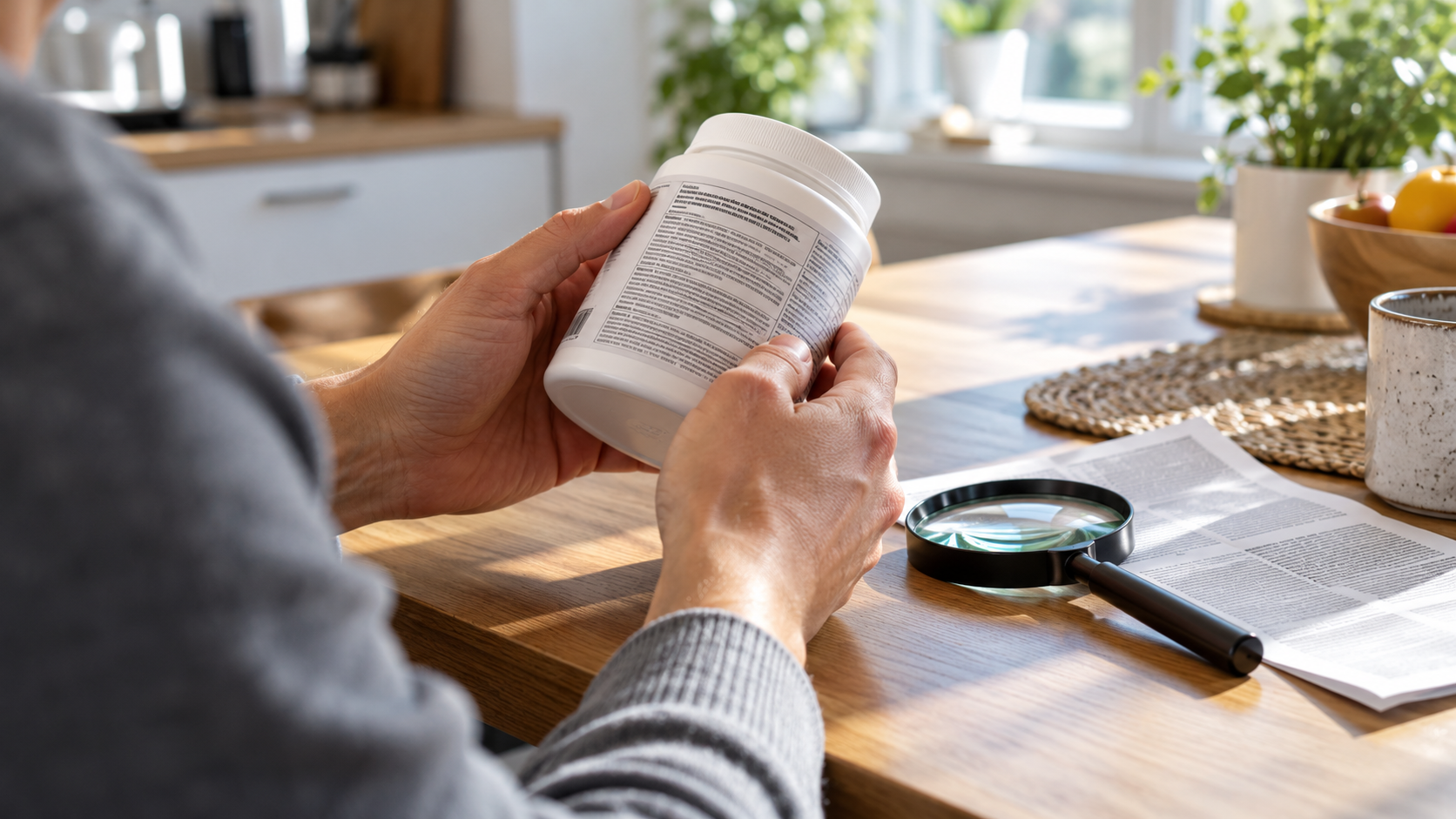
A product marketed as legal ecstasy for festivals is not automatically legal everywhere, safe in a hot crowd, compatible with medications, or comparable to MDMA. The substance on the ingredient list matters more than the nickname on the front of the package.
Before making a decision, check what the product actually contains. Review current laws. Read available laboratory documentation critically. Know the festival’s rules. Have a safe transportation plan. And if someone develops serious symptoms, get medical help quickly.
Those steps may be less exciting than festival marketing, but they are much more useful. Call Utoya Organics today at 813-697-4747.
Frequently Asked Questions
Q: Is MDMA legal in the United States?
No for ordinary recreational possession or sale. The DEA currently lists MDMA, also known as ecstasy, as a Schedule I controlled substance.
Q: Does “legal ecstasy” contain MDMA?
A: It should not be assumed to. “Legal ecstasy” is commonly used as a marketing term for products containing other compounds or formulations. Always check the actual ingredient information.
Q: Is 5-MAPB legal in every U.S. state?
A: No. Current statutes in both Florida and Texas expressly list 5-MAPB as a controlled substance. Federal analogue provisions may create additional legal issues depending on the circumstances.
Q: Can I bring a legal ecstasy for festivals product into a music festival?
A: That depends on the product’s ingredients, applicable state and local law, and the festival’s own rules. Check all three before traveling or entering the venue.
Q: Do drug-testing kits guarantee that a festival substance is safe?
A: No. Consumer drug-checking methods have significant limitations and cannot guarantee purity, potency, or complete identification of a sample.
Q: When should someone get medical help at a festival?
A: Seek immediate help for severe overheating, confusion, seizures, breathing difficulty, chest symptoms, collapse, or unresponsiveness. Do not delay emergency care because of concerns about embarrassment or possible legal consequences.