If you are trying to select the best high THCA strains, here is the professional reality: focus on the total THC potential (THCA % × 0.877), the terpene profile, and—most critically—the transparency of the source. Everything else is just marketing noise. Not all flower is created equal, and in 2026, the gap between “gas station hemp” and “Master Craftsman” grade THCA has never been wider.
Why does this matter? THCA is the raw, acidic precursor to THC. In its natural state, it won’t get you high. But the moment you apply heat—whether through a lighter, a vaporizer, or an oven—it sheds a carboxyl group and becomes the Delta-9 THC you know. Understanding this conversion is the difference between a wasted purchase and a top-tier experience.
Key Takeaways
- Potency Thresholds: High THCA strains generally test between 15% and 30%+ THCA while maintaining under 0.3% Delta-9 THC.
- The 0.877 Factor: To find the true strength, multiply the THCA percentage by 0.877 to account for molecular weight lost during heating.
- Terpene Synergy: Aromas aren’t just for show; terpenes like Myrcene and Limonene dictate whether a strain is sedating or energizing.
- Legal Landscape: As of early 2026, THCA remains federally compliant under the 2018 Farm Bill, though new “Total THC” regulations are looming for November.
- Premium Sourcing: Brands like Utoya Organics prioritize full-panel lab testing to ensure your “Snowcaps” or flower are free from heavy metals and pesticides.
What Are High THCA Strains?
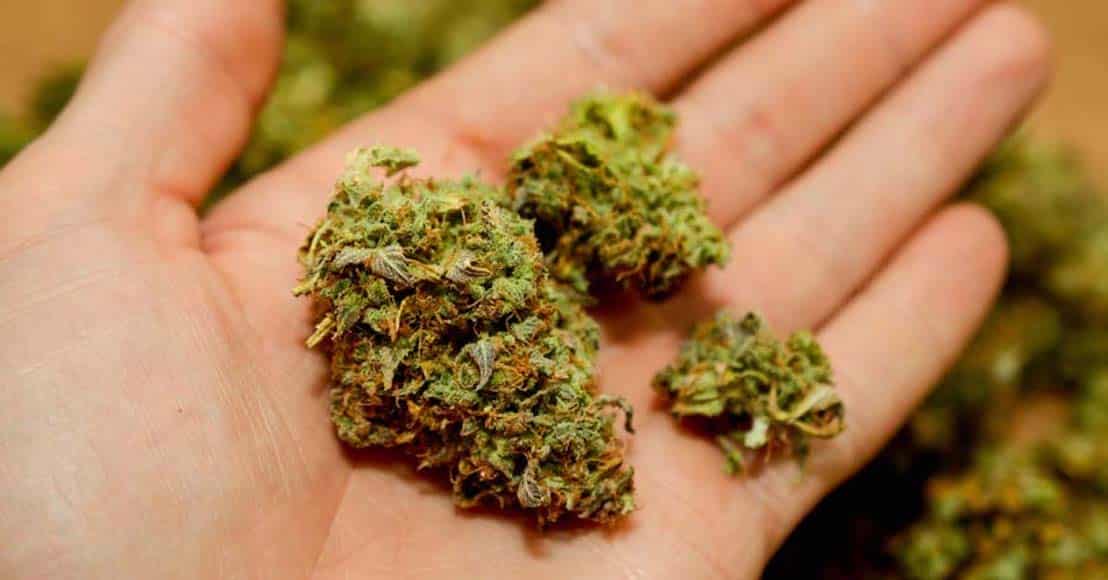
At their core, high THCA strains are simply cannabis plants bred to maximize the production of THCA while suppressing the natural conversion to Delta-9 THC. This allows the plant to be classified as “industrial hemp” under federal law, despite having the same genetic potential as dispensary-grade marijuana. When you see a label with 25% THCA, you are looking at raw potency waiting to be “activated” by heat.
Interestingly, almost all cannabis begins its life as THCA. The distinction in the hemp market is the meticulous harvest and curing process used to keep the Delta-9 levels below the 0.3% legal limit.
- The Raw State: THCA is non-psychoactive and is often used in “juicing” or tinctures for its anti-inflammatory properties.
- The Conversion: Smoking or vaping triggers decarboxylation, turning the non-intoxicating acid into psychoactive THC.
- The Potency Gap: In 2026, “Snowcaps”—flower coated in THCA diamonds—have pushed potency levels toward a staggering 77% THCA.
Why Are People Choosing High THCA Strains In 2026?
The surge in popularity comes down to a blend of legal access and “dispensary-quality” effects. For those living in states without recreational dispensaries, high THCA strains provide a legal way to have premium flower delivered directly to their door. It bridges the gap between traditional hemp (CBD) and regulated cannabis.
For brands like Utoya Organics, this evolution allows for a curated lineup that includes everything from “Thor’s Hammer” vapes to luxury indoor flower.
- Versatility: You can use raw flower for wellness benefits or heat it for traditional recreational effects.
- Legal Convenience: Federal compliance allows for easy online ordering and shipping in many regions.
- Quality Standards: High-end THCA is often grown indoors with the same “small-batch” care given to top-shelf medical cannabis.
At-A-Glance: Popular 2026 Strain Profiles
| Strain Name | Type | THCA % | Primary Terpene | Best For… |
| Apricot | Hybrid | 35.28% | Limonene | Creative Euphoria |
| Junglato | Hybrid | 33.64% | Linalool | Social Relaxation |
| Ice Cream Cookies | Indica | 28% | Myrcene | Deep Sleep |
| Blue Dream | Sativa | 22% | Pinene | Focus & Energy |
TRY OUR THCA CARTS
What Steps Should You Take To Buy Safely Online?
The “Wild West” of the hemp market means you must be your own quality control officer. When browsing high THCA strains, a lack of transparency is an immediate red flag. A master-grade brand will always show their “hand” through public documentation.
- Check the COA: Every batch must have a Certificate of Analysis (COA) from an ISO-accredited lab.
- Verify “Total THC”: Ensure the lab report lists Delta-9 THC as “ND” (None Detected) or below 0.3%.
- Scan for Contaminants: Look for “Full Panel” tests that include pesticides, molds, and heavy metals.
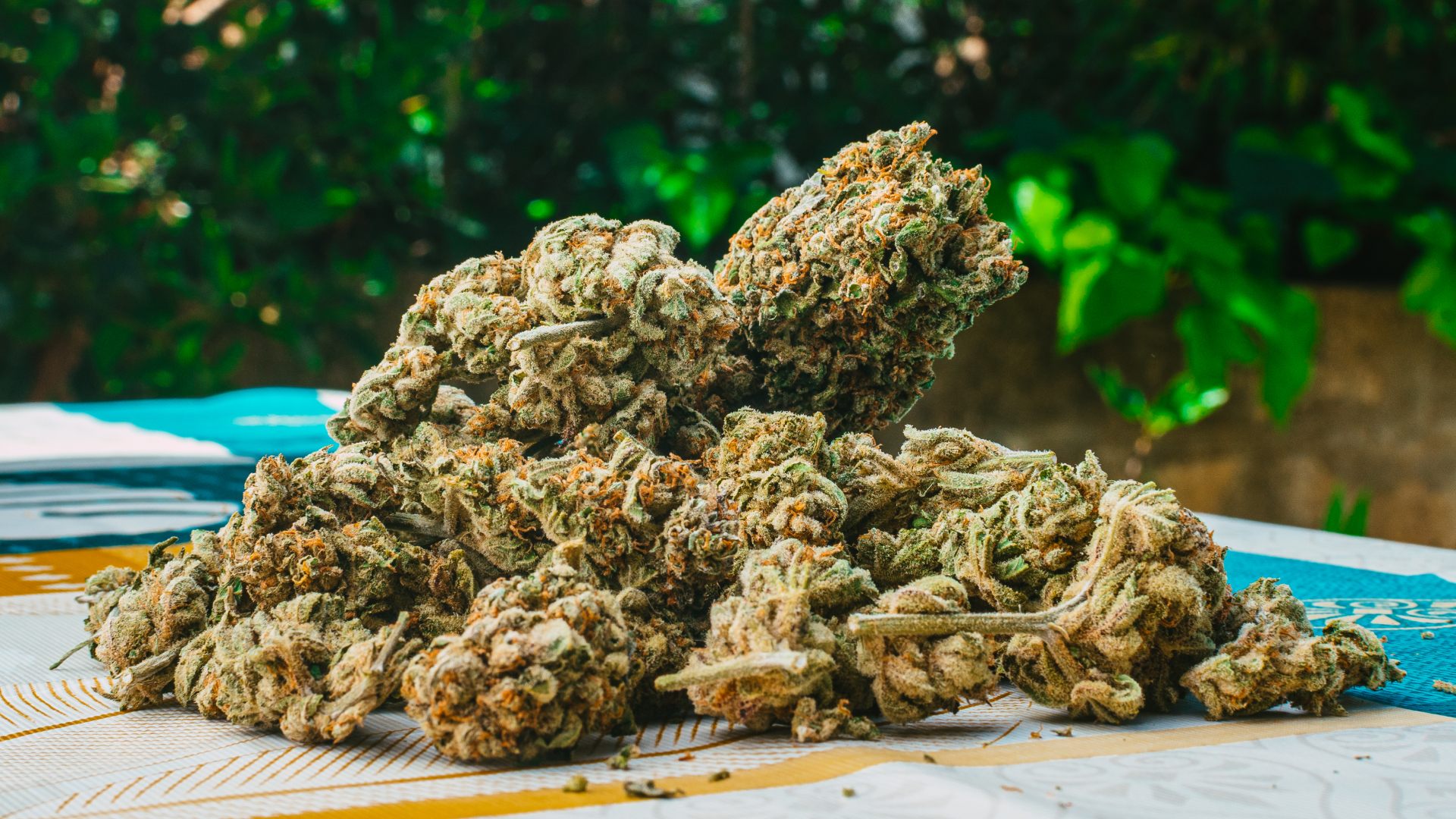
- Read the Cure: High-quality flower should be “sticky-dense,” not bone-dry or crumbly.
Multi-Layered Entity Bullets
- Decarboxylation: The chemical reaction that removes a carboxyl group from THCA, turning it into THC at roughly 220°F–240°F.
- 2018 Farm Bill: The federal law that legalized hemp; its “Total THC” provisions are currently being debated for the 2026 update.
- THCA Diamonds: Nearly pure THCA crystals are often used to “infuse” flower or pre-rolls for extreme potency.
Putting Your High THCA Strategy Into Motion
Choosing the right strain isn’t just about picking a name that sounds cool; it’s about matching the biology of the plant to your desired outcome. Whether you are looking for the social lift of a “Junglato” or the heavy-hitting relief of “Snowcaps,” the data in the lab report is your best friend.
At Utoya Organics, we blend “boots-on-the-ground” expertise with clean sourcing to bring you a refined lineup of hemp, cannabinoids, and functional mushrooms. We don’t cut corners on the cure, and we never hide our lab results.
Call Utoya Organics high THCA strains collection at (813) 697-4747
Frequently Asked Questions
Q: What is officially considered a high THCA strain?
A: Generally, any strain testing above 15% THCA is considered “high potency.” In 2026, the market average for premium indoor flowers has shifted toward the 22%–28% range.
Q: Do high THCA strains get you high?
A: Yes—but only if you heat them. In its raw form, THCA is non-psychoactive. Once you smoke, vape, or bake it, it converts into Delta-9 THC and produces the traditional “high.”
Q: Are high THCA strains legal in my state?
A: Under the 2018 Farm Bill, they are federally compliant if the Delta-9 THC is under 0.3%. However, some states (like Oregon and Rhode Island) have moved to “Total THC” testing, which effectively bans high THCA flower. Always check your local 2026 statutes.
Q: What is the difference between THCA and Delta-9 THC?
A: THCA is the acid form found in the living plant. It has an extra molecular chain (carboxyl group) that prevents it from binding to your brain’s receptors. Heat removes that chain, turning it into Delta-9 THC.
Q: How should I store high THCA flower?
A: Keep it in a cool, dark, and airtight glass jar. Exposure to heat and light will slowly decarboxylate the THCA into THC, which could eventually push the flower over the legal Delta-9 limit.